香港新城Metro Radio 財經臺香樹輝一年前左右曾經訪問某醫學會會董, 作為嘉賓的他指出香港並沒有象英國一樣發展基礎醫療服務機構, primary health care, 去指導群眾小病, 長期病的復康之道, 並防止其發展成大病, 绝症.
但可惜香港並沒有這樣的防線.
現時小病和長期病已經突破防線, 一般醫藥措施已經失守, 如糖尿病已經占用大部份洗腎設備. 小病已經發展成絕症, 占用社會大部份資源, 這當然是有待改善的.
2020年1月17日 星期五

2020年1月10日 星期五
香港王建中的博客访问统计量功能已下线+++++++++++++++++++++++++++++++++++
blog.sina.com.cn/wongkinchung 2018年9月28日 下午 2:32
|
9月28日 週五 下午2:32
|
您好!
目前关于博客访问统计量功能已下线,
感谢您对新浪的支持!
此邮件为系统自动发出,请不要直接回复,
29/9/2018 14:38 博客访问:31,509
18:00 31,543
30/9/2018 14.09 31,579
16:49 31,601
4/10/2018 14:18 31,701
19.52 31,762
6/10/2018 15.06 31,824
19.17 31,876
7/10/2018 13.00 31,900
16.50 31,925
13/10/2018 15.30 32,079
19.40 32,120
14 /10/2018 13.36 32,144
17.00 32,181
20/10/2018 14.30 32,361
19.40 32,420
21/10/2018 13.46 32,460
16.45 32,500
27/10/2018 16.29 32,672
19.40 32,700
28/10/2018 14.00 32,750
16.00 32,764
3/11/2018 18.04 33,012
20.00 33,027
4/11/2018 12.00 33,054 17.00 33,091
10/11/2018 20.00 33,314
11/11/2018 17.00 33,359
14/11/2018 13:48 33,474
19.43 33,531
17/11/2018 15.45 33,611
17.17 33,630
18/11/2018 15.00 33,686
21/11/2018 14.30 33,765
20.00 33,838
24/11/2018 15.00 34,000
17.37 34,022
19.52 34,061
25/11/2018 15.20 34,106
16.00 34,110
17.00 34,127
1/12/2018 15.36 34,352
17.42 34,373
19.50 34,396
2/12/2018 13.15 34,414
16.50 34,454
3/12/2018 10.43 34,485
11.53 34,499
5/12/2018 14.43 34,580
18.16 34,602
19.50 34,627
8/12/2018 15.41 34,714
18.00 34,732
19.50 34,750
9/12/2018 13.00 34,769
16.46 34,815
13/12/2018 13.40 34,940
17.25 34,959
18.47 34,976
15/12/2018 17.22 35,051
19.55 35,070
16/12/2018 13.30 35,085
16.50 35,107
22/12/2018 16.20 35,335
19.50 35,367
23/12/2018 13.58 35,455
16.45 35,482
29/12/2018 16.40 35,721
18.48 35,734
19.54 35,743
30/12/2018 14.00 35,774
16.55 35,815
6/1/2019 16.48 36,024
7/1/2019 15.34 36,062
17.00 36,076
8/1/2019 12.00 36,111
17.00 36,127
9/1/2019 14.00 36,157
17.00 36,185
10/1/2019 14.00 36,212
17.00 36,227
1/4/2019 10.00 40,888
3/4/2019 17.00 41,399
10/4/2019 9.10 41,926
14.00 41,986
7/5/2019 16.00 43,503
9/5/2019 17.00 43,589
18/5/2019 19.23 43,966
22/5/2019 11.00 44,130
15/6/2019 11.30 44,874
17/8/2019 11.10 47,176
16/9/2019 13.06 48,380
26/10/2019 11.00 49,932
06/11/2019 14.00 50,360
16/11/2019 17.00 50,791
23/11/2019 11.00 51,083
30/11/2019 11.30 51,316
7/12/2019 11.00 51,567
14/12/2019 12.00 51,759
28/12/2019 11.30 52,223
04/01/2020 11.02 52,427
11/01/2020 11.22 52,490
10/6/2021 64,600
2019年11月29日 星期五
“变废为宝”——联合国儿基会帮助科特迪瓦生产再生塑料砖 建造学校
 在科特迪瓦中部的一所学校,学生们很高兴学校里建造了一个新教室。 (2019年2月6日图片)
2019 年 7 月 29
日
在科特迪瓦中部的一所学校,学生们很高兴学校里建造了一个新教室。 (2019年2月6日图片)
2019 年 7 月 29
日
联合国儿童基金会今天宣布,该基金会与哥伦比亚社会企业“塑料理念”(Conceptos
Plasticos)合作在科特迪瓦建造的首家将塑料废物转化为模块塑料砖的工厂已经破土动工。这种易于组装、耐用且低成本的砖将用于在科特迪瓦建造急需的教室。
儿基会执行主任福尔说表示,这家工厂将为非洲儿童和社区面临的一些主要教育挑战带来智能型的可扩展解决方案。其潜力有三方面:为科特迪瓦的儿童提供更多的教室,减少环境中的塑料废物,为最脆弱的家庭提供额外的收入渠道。
科特迪瓦需要1万5000间教室,以满足失学儿童的需求。为了填补这一空白,联合国儿童基金会与
“塑料理念”企业合作,利用从阿比让及其周边地区污染区回收的塑料,计划在未来两年内为最迫切需要教育的2万5000多名儿童建造500间教室,并有可能将来建造更多的教室。
联合国驻科特迪瓦代表卡姆珀(Aboubacar
Kampo)表示,科特迪瓦学童面临的主要挑战之一是缺乏教室。要么根本没有教师,要么过度拥挤,使学习成为一种充满挑战和不愉快的经历。有了塑料砖教室之后,在某些地区,贫困社区的幼儿园老师将能够首次将教室里的儿童人数减少到100名以下。他说,“那些从未想过会在学校里拥有‘一席之地’的孩子将能够在一个干净整洁的教室里学习,茁壮成长。“
阿比让每天生产280多吨塑料废物,其中只有约5%被回收利用,其余大部分最终留在低收入社区的垃圾填埋场。塑料废物污染加剧了现有的卫生和环境卫生挑战。不恰当的废物管理导致了60%的儿童疟疾、腹泻和肺炎病例,
这些疾病都是科特迪瓦儿童死亡的主要原因之一。
一旦全面投入运营,这个工厂每年将回收9600吨塑料废物,并为正规回收市场中的贫困妇女提供收入来源。
“塑料理念”企业已经在哥伦比亚用塑料砖建造了9间教室,展示了其施工方法和材料的可行性。
砖块100%由塑料制成,具有耐火性,比传统建筑材料便宜40%,重量减轻20%,并且使用寿命可长达数百年。这种砖还具有很好的防水性和隔热性,并可抵御强风。
除了在科特迪瓦投资建厂外,儿基会还计划将该项目扩展到该地区的其他国家,因为非洲西部和中部地区占全球小学学龄失学儿童的三分之一,占中学低年级学龄失学儿童的五分之一。

在科特迪瓦中部的一所学校,学生们很高兴学校里建造了一个新教室。 (2019年2月6日图片)
2019 年 7 月 29
日
联合国儿童基金会今天宣布,该基金会与哥伦比亚社会企业“塑料理念”(Conceptos
Plasticos)合作在科特迪瓦建造的首家将塑料废物转化为模块塑料砖的工厂已经破土动工。这种易于组装、耐用且低成本的砖将用于在科特迪瓦建造急需的教室。
儿基会执行主任福尔说表示,这家工厂将为非洲儿童和社区面临的一些主要教育挑战带来智能型的可扩展解决方案。其潜力有三方面:为科特迪瓦的儿童提供更多的教室,减少环境中的塑料废物,为最脆弱的家庭提供额外的收入渠道。
科特迪瓦需要1万5000间教室,以满足失学儿童的需求。为了填补这一空白,联合国儿童基金会与 “塑料理念”企业合作,利用从阿比让及其周边地区污染区回收的塑料,计划在未来两年内为最迫切需要教育的2万5000多名儿童建造500间教室,并有可能将来建造更多的教室。
联合国驻科特迪瓦代表卡姆珀(Aboubacar Kampo)表示,科特迪瓦学童面临的主要挑战之一是缺乏教室。要么根本没有教师,要么过度拥挤,使学习成为一种充满挑战和不愉快的经历。有了塑料砖教室之后,在某些地区,贫困社区的幼儿园老师将能够首次将教室里的儿童人数减少到100名以下。他说,“那些从未想过会在学校里拥有‘一席之地’的孩子将能够在一个干净整洁的教室里学习,茁壮成长。“
阿比让每天生产280多吨塑料废物,其中只有约5%被回收利用,其余大部分最终留在低收入社区的垃圾填埋场。塑料废物污染加剧了现有的卫生和环境卫生挑战。不恰当的废物管理导致了60%的儿童疟疾、腹泻和肺炎病例, 这些疾病都是科特迪瓦儿童死亡的主要原因之一。
一旦全面投入运营,这个工厂每年将回收9600吨塑料废物,并为正规回收市场中的贫困妇女提供收入来源。
“塑料理念”企业已经在哥伦比亚用塑料砖建造了9间教室,展示了其施工方法和材料的可行性。
砖块100%由塑料制成,具有耐火性,比传统建筑材料便宜40%,重量减轻20%,并且使用寿命可长达数百年。这种砖还具有很好的防水性和隔热性,并可抵御强风。
除了在科特迪瓦投资建厂外,儿基会还计划将该项目扩展到该地区的其他国家,因为非洲西部和中部地区占全球小学学龄失学儿童的三分之一,占中学低年级学龄失学儿童的五分之一。
科特迪瓦需要1万5000间教室,以满足失学儿童的需求。为了填补这一空白,联合国儿童基金会与 “塑料理念”企业合作,利用从阿比让及其周边地区污染区回收的塑料,计划在未来两年内为最迫切需要教育的2万5000多名儿童建造500间教室,并有可能将来建造更多的教室。
联合国驻科特迪瓦代表卡姆珀(Aboubacar Kampo)表示,科特迪瓦学童面临的主要挑战之一是缺乏教室。要么根本没有教师,要么过度拥挤,使学习成为一种充满挑战和不愉快的经历。有了塑料砖教室之后,在某些地区,贫困社区的幼儿园老师将能够首次将教室里的儿童人数减少到100名以下。他说,“那些从未想过会在学校里拥有‘一席之地’的孩子将能够在一个干净整洁的教室里学习,茁壮成长。“
阿比让每天生产280多吨塑料废物,其中只有约5%被回收利用,其余大部分最终留在低收入社区的垃圾填埋场。塑料废物污染加剧了现有的卫生和环境卫生挑战。不恰当的废物管理导致了60%的儿童疟疾、腹泻和肺炎病例, 这些疾病都是科特迪瓦儿童死亡的主要原因之一。
一旦全面投入运营,这个工厂每年将回收9600吨塑料废物,并为正规回收市场中的贫困妇女提供收入来源。
“塑料理念”企业已经在哥伦比亚用塑料砖建造了9间教室,展示了其施工方法和材料的可行性。
砖块100%由塑料制成,具有耐火性,比传统建筑材料便宜40%,重量减轻20%,并且使用寿命可长达数百年。这种砖还具有很好的防水性和隔热性,并可抵御强风。
除了在科特迪瓦投资建厂外,儿基会还计划将该项目扩展到该地区的其他国家,因为非洲西部和中部地区占全球小学学龄失学儿童的三分之一,占中学低年级学龄失学儿童的五分之一。
Classrooms made from recycled plastic waste come to Ivory Coast
Source: https://www.france24.com/en/20190925-classrooms-recycled-plastic-waste-ivory-coast-unicef

Plastic bricks made via a recycling process developed by a Colombian social enterprise are being used to help tackle a huge shortfall of classrooms in the West African nation of Ivory Coast.
Nine model classrooms have already been set up in Ivory Coast (officially known by its French name, Côte d’Ivoire) by Conceptos Plásticos in partnership with UNICEF, the UN agency for children, at three test sites across the country. Built with bricks made from plastic salvaged from the streets of Bogotá, the showrooms have persuaded the Colombian company, Conceptos Plásticos, that what they are doing in Bogotá could be replicated elsewhere in West Africa.

Conceptos Plásticos’ plastic brick factory in Bogotá buys its material from 15,000 collectors, who work individually or in collectives. The company is now building a larger factory in Yopougon, a suburb of Abidjan, the commercial capital of Ivory Coast. Abidjan alone churns out 300 tonnes of plastic waste a day, of which only around 5 percent is currently recycled, typically by female pickers, according to Sophie Chavanel, head of communications for UNICEF Côte d’Ivoire.
For their part, UNICEF staff are confronted with serious health issues for the country’s children: malaria, diarrhoea, pneumonia. “We were looking for a way to fight plastic pollution that exacerbates diseases that can potentially kill children, mainly under 5 years old,” Chavanel told FRANCE 24.
Not only does plastic litter contribute to dirty water and associated illnesses, it also provides a breeding ground for mosquitoes, which carry malaria and can easily reproduce in rainwater collected in plastic detritus.

Five tonnes of plastic bricks, each around 50cm long and much lighter than other types of building block, are required to build a classroom. When the factory is at full capacity, its 9,200 tonnes of brick will be enough to build more than 1,800 classrooms a year. UNICEF has agreed to buy enough bricks from Conceptos Plásticos for over 500 classrooms.
UNICEF estimates the country will need 15,000 new classrooms by 2021 and 30,000 by 2025. Using the plastic brick technique is approximately a third cheaper than conventional construction.
In a poor section of Abidjan, parts of which were recently torn down by the government for development, the École Primaire Publique (EPP) de Gonzagueville (public primary school) in the Port Bouët district is hosting several model classrooms, including the first prototype, identical to the ones used in Colombia. When it was built, staff, children and parents were asked for their feedback and when the next classroom was built alongside it, a wooden structure was incorporated for the roof, allowing for improved airflow.

The improved classroom with wooden roof structure built at EPP Gonzagueville following consultations with teachers and parents. Frank Hersey, FRANCE 24
“When I’m in my own classroom, I really want to just be in here instead,” one student called Abigail said, referring to the model, “Because here it’s really nice, there’s lots of things, it’s well decorated.” Her traditional classroom is noticeably hotter inside, featuring rows of benches.
Sitting in the prototype classroom that serves as the school’s nursery (the only public nursery in the district), EPP Gonzagueville head teacher Tirangue Doumbia echoed her student. “They’re almost beyond comparison. They’re like night and day,” she said. “Teachers and pupils can move around in these rooms, which they can’t in the others. Some of the other classrooms have over 120 pupils,” says the teacher. “It’s difficult.”
While the classrooms are welcome, the school needs more, plus toilet blocks and child-sized toilets. For now, teachers have to hold the smallest children over the latrines to prevent them from falling in.
“There’s no problem finding teachers, it’s classrooms we need. Teachers are being trained all the time and some can even do rapid training courses to help us,” adds Doumbia.

The bricks’ lightweight quality also means that in remote areas where truck delivery would be impossible, the bricks can be carried using animals or even by hand. The addition of solar panels means the rooms can be built wherever there is a need. Teaching staff will be provided by the government’s education ministry.
“For UNICEF it’s an innovative way to partner with the private sector. In this partnership, Conceptos Plásticos brings the technology to Côte d’Ivoire, employs people from Côte d'Ivoire, provides better income to women collecting the plastic and contributes to clean communities,” says UNICEF’s Chavanel.
Local plastic pickers are already being introduced to the innovative concept. Women are being approached, says Chavanel, because: “We know that when you empower women, when they have a better income, it often goes to their children." Pickers currently earn around 1,000 FCFA (West African CFA francs) per day [approximately €1.50], but are at the mercy of middlemen. Currently, it’s difficult for pickers to determine which type of plastic middlemen will want to buy in a given week – flip flops, sheeting, or bottles.

She hopes that when they can sell the plastic they collect directly to the factory, conditions will be better: “They’ve said we’ll be able to sell the things it’s hard to sell normally like broken buckets and plates, and they’ll take them quickly." Coulibaly and the others in her cooperative each sell around 50kg of plastic per week, a figure which stands to increase, since the Conceptos Plásticos technique can employ any type of plastic.
2019年11月16日 星期六
在印度,其实根本就没有“咖喱”, 它是怎樣傳去日本的?
你吃的是正宗咖喱吗:在印度,其实根本就没有“咖喱”
https://www.bilibili.com/read/cv2419471
Curry Inside the Factory Source: https://www.bbc.co.uk/programmes/b0bg6whb
Gregg Wallace explores the
Nottinghamshire factory that produces 250,000 jars of curry sauce each
day. Gregg is making a supersized 3,000-kilo batch of tikka masala -
enough to feed 25,000 people. He loads in almost half a tonne of yoghurt
and cream and ten other ingredients, including 30 kilos - or 10,000
cloves - of garlic. He deploys an unusual kitchen implement - a hosepipe
- to get his ingredients into the cooking pot and heats it for 30
minutes. Then he checks it for colour against a decorating colour chart.
Finally his jars head into a pasteuriser for a second two-hour cooking
session.
Meanwhile, Cherry Healey is in Guntur, the chilli capital of India, where they sell 3,500 tonnes of chilli each day. She helps to harvest the chillies on a typical small-scale farm, dries and packs them down then follows them through processing into chilli powder. Cherry also gets the lowdown on cooking rice with four foolproof rules which ensure it comes out right every time, and learns how to beat the burn if you have overdone it in the curry house. It turns out that milk is the right choice because the fat dissolves the capsaicin that is responsible for that burning sensation.
Historian Ruth Goodman finds that our passion for curry is around 370 years older than the supposed invention of tikka masala in a Glaswegian restaurant in the 1970s. She recreates a 1747 recipe for rabbit curry, and learns that the word 'curry' itself is a misunderstanding of the Tamil word 'kari'. And she re-examines the early convenience curries of the 1970s and talks to the British Asian housewife whose curry crusade helped to make high street curries closer to Indian home cooking.
Meanwhile, Cherry Healey is in Guntur, the chilli capital of India, where they sell 3,500 tonnes of chilli each day. She helps to harvest the chillies on a typical small-scale farm, dries and packs them down then follows them through processing into chilli powder. Cherry also gets the lowdown on cooking rice with four foolproof rules which ensure it comes out right every time, and learns how to beat the burn if you have overdone it in the curry house. It turns out that milk is the right choice because the fat dissolves the capsaicin that is responsible for that burning sensation.
Historian Ruth Goodman finds that our passion for curry is around 370 years older than the supposed invention of tikka masala in a Glaswegian restaurant in the 1970s. She recreates a 1747 recipe for rabbit curry, and learns that the word 'curry' itself is a misunderstanding of the Tamil word 'kari'. And she re-examines the early convenience curries of the 1970s and talks to the British Asian housewife whose curry crusade helped to make high street curries closer to Indian home cooking.
糖尿病人飲食方案的“手掌法则”
怎么吃控糖控体重?“手掌法则”告诉你
https://k.sina.com.cn/article_5787187353_158f1789902000t6tm.html
「手掌法則」輕鬆幫您搞定糖尿病人飲食方案
https://kknews.cc/health/96lzrzj.html
巧記"手掌法則",搞定糖尿病飲食量!糖友必
知
https://kknews.cc/health/2a4q2e.html
巧記"手掌法則",搞定糖尿病飲食量!糖友必
知
https://kknews.cc/health/2a4q2e.html
2019年10月25日 星期五
香港沙田翠田街公路私用-食痾瞓
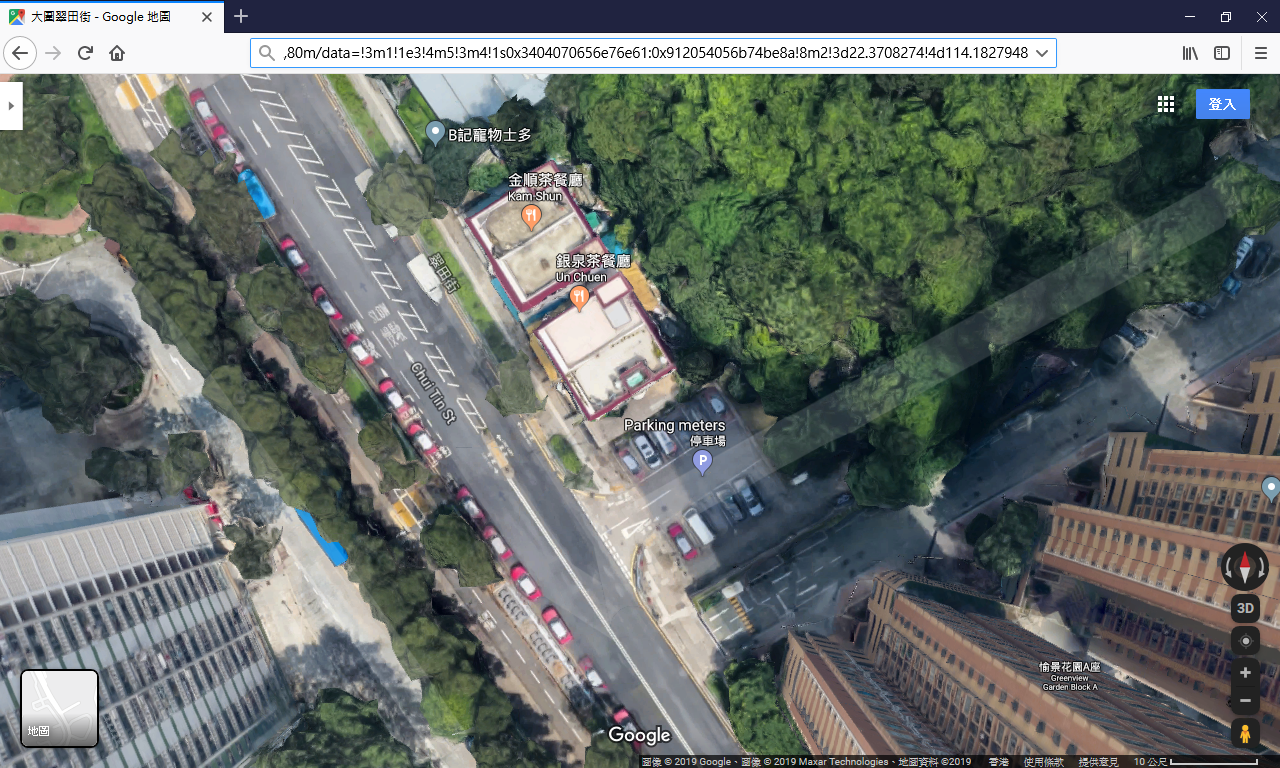

圖片來源: https://www.google.com/maps/place/%E5%A4%A7%E5%9C%8D%E7%BF%A0%E7%94%B0%E8%A1%97/@22.3703388,114.1833672,80m/data=!3m1!1e3!4m5!3m4!1s0x3404070656e76e61:0x912054056b74be8a!8m2!3d22.3708274!4d114.1827948
1970年代發展沙田, 用地不緊張,四線行車的翠田街是半公里長的掘頭路, 附近使用的車輛不多, 外來車輛更是寥寥可數.
翠田街附近有三間小食肆(米之寶米粉, 金順茶餐廳, 銀泉茶餐廳), 隔田村公園還有臨近路邊公廁给司機提供了方便, 於是日日夜夜都有司機在翠田街違例泊車進行個人活動-食痾瞓. 偶然也會有警察抄一下牌, 但幾十年以來還是解決不了問題.
金獅花園一期(一千二百伙)對面路面更是長期有的士等客.
來往翠田街的公共汽車(九龍巴士)80K能否在愉景花園和金獅花園設站, 好象校巴一樣服務大家? 現實情況是除了大型公共汽車不妥協不設新停泊點, 所有的其他車輛都在盡情使用翠田街, 包括上客下客, 違例泊車和食痾瞓.
巧合地, 附近的沙田頭路是三線行車的上坡斜路, 自1981年以來, 晚晚上斜的二條行車線, 總有一條被司機用作違例泊車, 這涉及二十至三十多架大小不同車輛(下圖), 附近居民已經是見怪不怪了.


以上二張沙田頭路的照片(共二十部車)是拍攝於 2019.11.13 下午三時.
2021農曆年初一(12/2/2021,下午四時)交通警察們都在翠田街車公廟處嚴密布防, 拜年車隊則在後面沙田頭路公然違例泊車, 成為奇觀。


2019年6月14日 星期五
訂閱:
文章 (Atom)